Need Help Writing Your Vows?
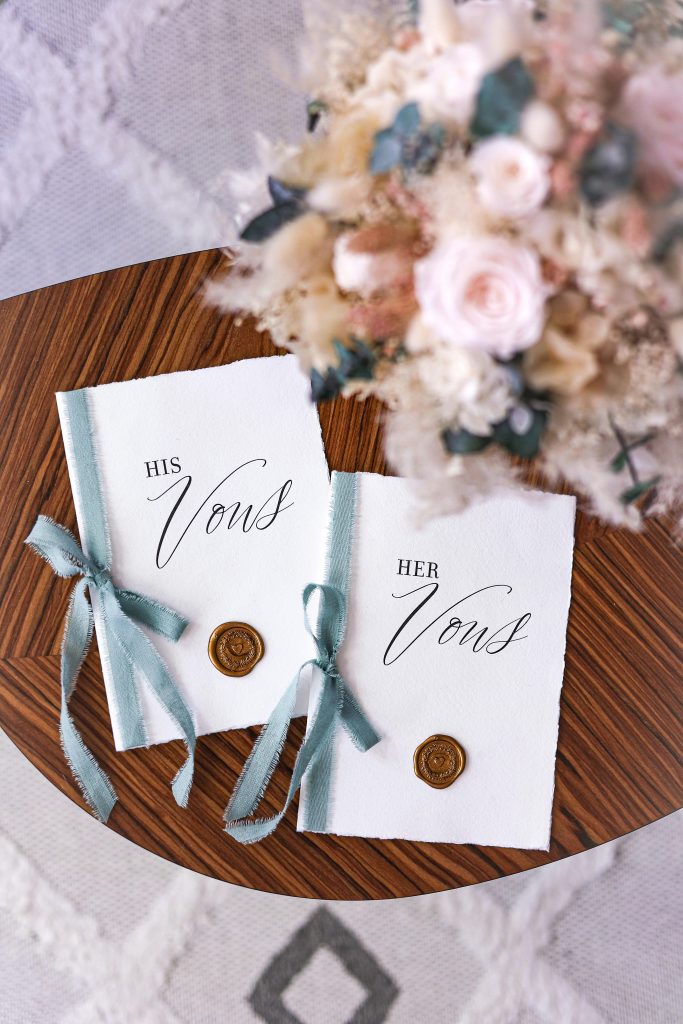
Traditional vs. Modern: Which Vow Style Fits Your Vibe?
ou’ve found the person; now you just need the words. But should those words sound like a Shakespearean sonnet or a late-night conversation over tacos?
When you stand at the altar, the words you speak are the heartbeat of the ceremony. But for many couples, the blank page is intimidating. Do you stick to the scripts that have worked for centuries, or do you forge a new path?
As an officiant, I’ve seen that the best vows aren’t the ones that sound “perfect”—they are the ones that sound like you. Let’s break down the three main styles to help you find your voice.
1. The Traditional Route: The Power of Heritage
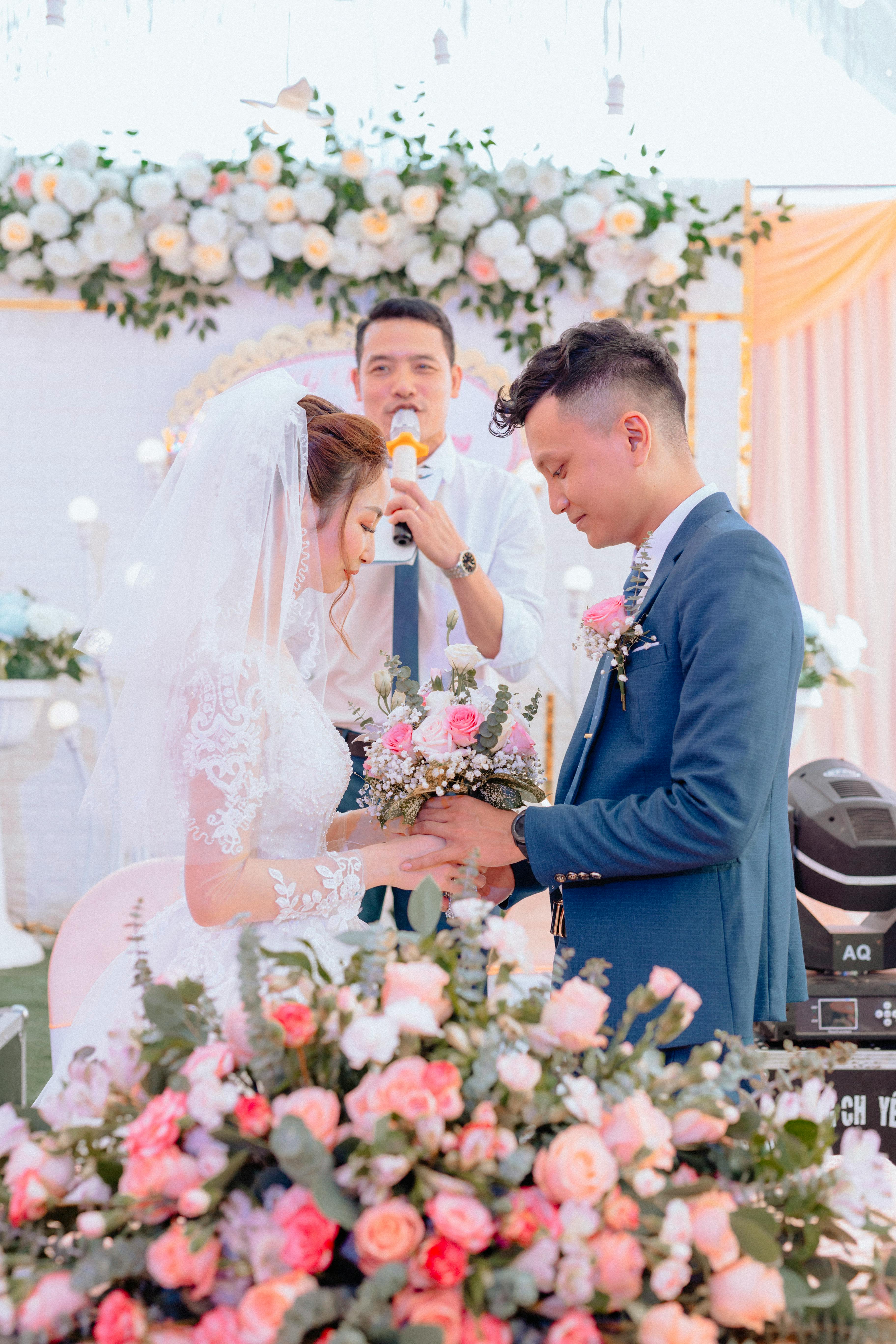
Traditional vows are classic for a reason. They carry a sense of gravity and history. If you are having a formal wedding or value the continuity of tradition, these might be for you.
Pro Tip: You can still use traditional vows but update archaic language (like removing “obey”) to make them feel more equitable.
The Vibe: Solemn, timeless, and deeply respectful.
The Structure: Usually involves the “Call and Response” (the “I Do’s”) followed by the exchange of rings.
Key Phrases: “In sickness and in health,” “For richer or for poorer,” “Until death do us part.”
2. The Modern Script: Focus on Partnership
Modern vows tend to move away from “theoretically” loving someone and focus on the reality of a 21st-century partnership. They are often less about “legalities” and more about “promises.”
- The Vibe: Warm, relatable, and grounded.
- The Structure: These are often spoken directly to the partner rather than repeated after the officiant.
- What they sound like: “I promise to be your biggest fan and your toughest ally. I promise to support your dreams as if they were my own and to build a life where we both can grow.”
- Pro Tip: Modern vows are great for “Micro-weddings” or elopements where the setting is intimate.
3. The Personal Story: Writing From Scratch
For the couple that wants a few laughs and a few tears, writing your own vows is the way to go. This is where you tell your story.
- The Vibe: Intimate, emotional, and often humorous.
- The Structure: 1. The Opening: Mention a specific trait you love about them. 2. The Story: A quick 1-2 sentence anecdote (how you met or a “click” moment). 3. The Promises: 3-5 specific promises (some serious, one lighthearted). 4. The Closing: A final look toward the future.
- Pro Tip: Keep it under 2 minutes. Anything longer and the “wow” factor starts to fade into “when’s dinner?”
The Hybrid: The Best of Both Worlds
You don’t have to choose just one! Many of my couples choose a Hybrid Ceremony.
- We start with Personal Vows (where they read their handwritten letters to each other).
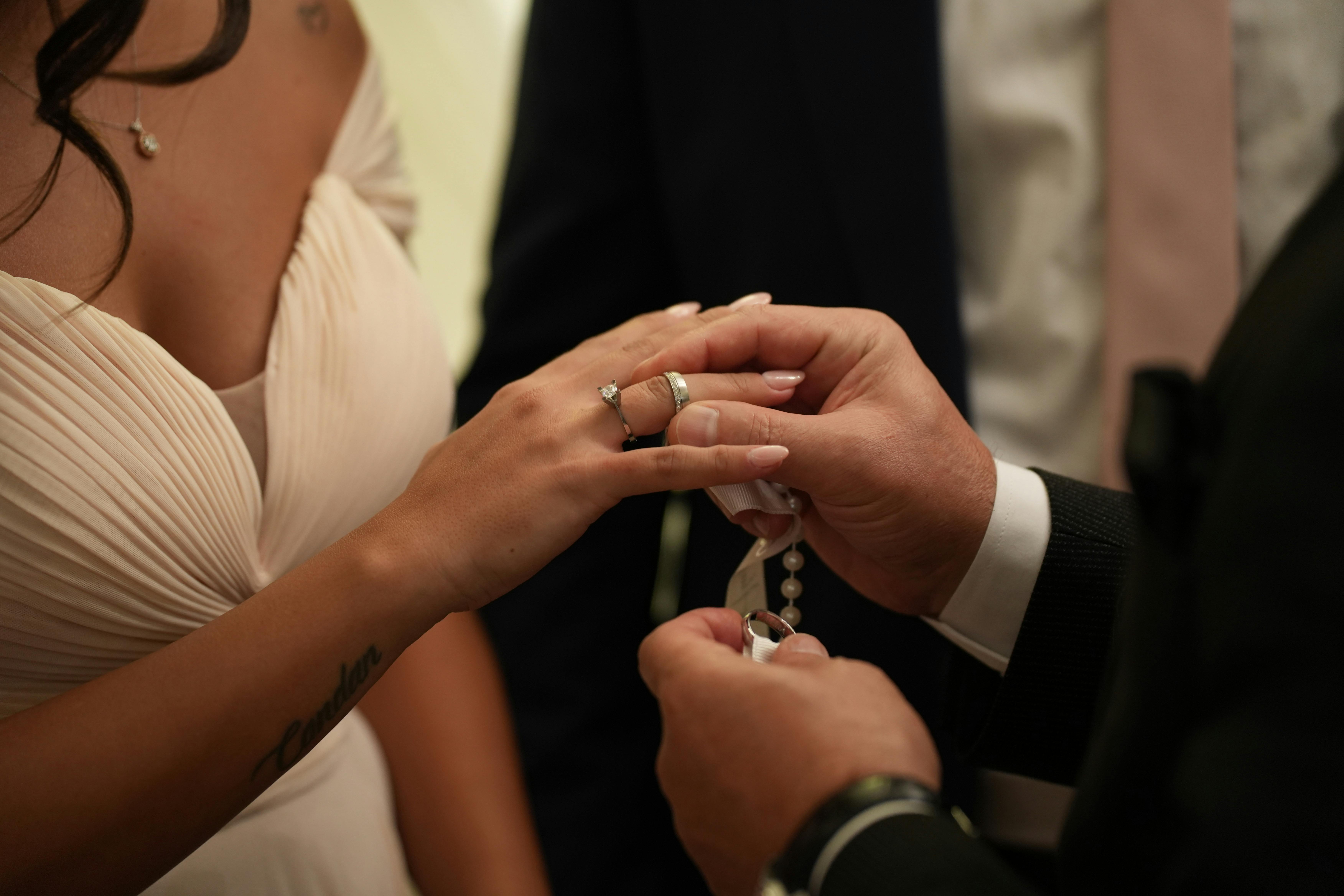
- We follow with Traditional Vows (the “I Do’s”) to satisfy the legal and formal requirements.
The Last Word on Your “I Do’s”
At the end of the day, there is no “right” way to say your vows—there is only your way. Whether you lean into the grand tradition of your ancestors or share a private joke that only the two of you understand, the magic lies in the sincerity of the moment.
My role as your officiant is to ensure those words feel authentic to your journey, while my role as your notary ensures that when the ceremony ends, the legal foundation of your marriage is just as solid as the promises you’ve made. Your vows are the heart of the day; let’s make sure they beat to your unique rhythm.